
7 Restaurant Design Mistakes to Avoid
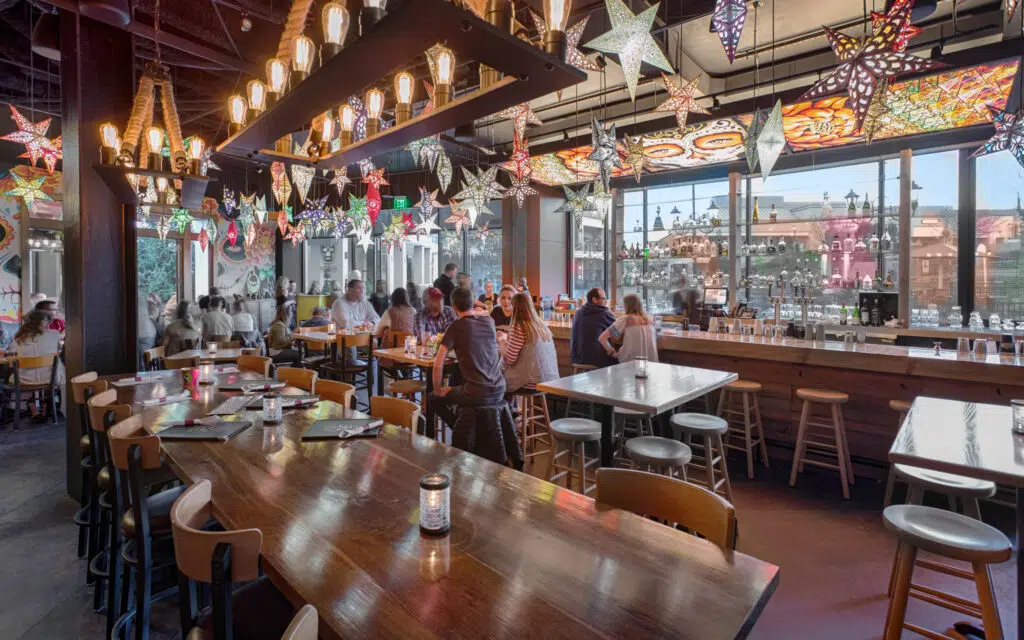
Restaurant design has to do more than look good. The space needs to support guests, employees, kitchen operations, deliveries, accessibility, and the day-to-day realities of running a restaurant.
For owners planning a new restaurant or renovating an existing space, early design decisions can have a lasting effect on how well the restaurant functions. Avoiding a few common mistakes can help create a space that works for both the customer experience and the people operating it.
1. Focusing Too Much on Appearance
A strong visual identity is important, but aesthetics should not come at the expense of function.
Materials, lighting, furniture, and finishes all contribute to the character of a restaurant, but they also need to hold up to frequent use. Design decisions should support the concept while considering durability, maintenance, comfort, and daily operations.
2. Overlooking the Flow of the Space
Guests and employees often move through the same restaurant in very different ways.
Customers need clear paths from the entrance to seating, restrooms, and exits. Staff need efficient routes between the kitchen, dining areas, service stations, storage, and other workspaces.
Poor circulation can create congestion and make service more difficult, particularly during busy periods.
3. Trying to Fit in Too Many Seats
More tables may seem like an easy way to increase capacity, but overcrowding can negatively affect the overall experience.
Guests need enough room to sit comfortably, while servers need space to move efficiently between tables. Seating layouts should balance capacity with circulation, accessibility, service needs, and the atmosphere the restaurant is trying to create.
4. Treating the Kitchen as a Separate Design Problem
The dining room may be what customers see, but the kitchen has a major influence on how the restaurant operates.
Equipment placement, food preparation areas, storage, dishwashing, deliveries, and staff movement all need to work together. The relationship between the kitchen and dining areas should be considered early so that front-of-house and back-of-house operations support one another.
5. Underestimating Acoustics
A lively restaurant can quickly become an uncomfortable one if sound is not considered during design.
Hard surfaces, open ceilings, large windows, and tightly packed seating can all affect noise levels. Materials and layout choices can help manage sound while maintaining the energy and character of the space.
Acoustics are especially important because they influence how easily guests can have a conversation and how comfortable they feel staying in the restaurant.
6. Waiting Too Long to Address Lighting
Lighting affects much more than visibility.
It helps establish the atmosphere of the restaurant, highlights architectural and design features, supports employee tasks, and can influence how a space feels at different times of day.
Considering natural and artificial lighting early in the design process provides more flexibility than trying to address it after other decisions have already been made.
7. Designing Only for Opening Day
Restaurant needs can change over time.
Seating arrangements may evolve, technology may be updated, service models can shift, and operational needs may change as the business grows. Whenever possible, restaurant design should provide enough flexibility to adapt without requiring major changes to the space.
Planning a Restaurant Space That Works
Successful restaurant design brings together customer experience, operations, function, and the overall vision for the business. Considering these elements together from the beginning can help owners make more informed decisions throughout the project.
New City Design Group, an INVISION Studio, has experience designing restaurant and retail spaces throughout Raleigh and the surrounding Triangle. Our longstanding local experience is supported by the broader expertise and resources of INVISION.
If you are planning a restaurant project or renovation, give New City Design Group a call at (919) 831-1308 or visit our website to explore our work and learn more about our approach.